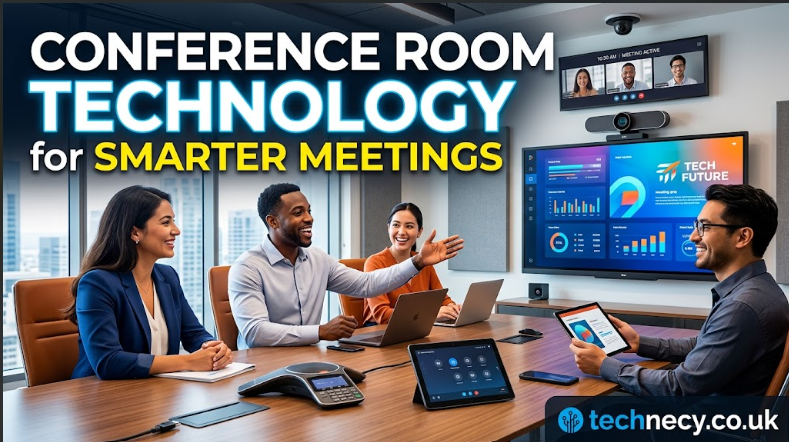
A good meeting depends on more than the people in the room. Clear communication, easy collaboration, and reliable tools all influence whether a discussion becomes productive or frustrating. This is why businesses are replacing traditional meeting rooms with smarter spaces designed for today’s workplace. Conference room technology combines audio, video, display, and collaboration solutions to help teams connect more effectively. Whether employees are working from the office, home, or different locations around the world, the right setup makes communication easier and more natural. Modern meeting spaces are not about adding unnecessary equipment. They are about removing barriers so people can focus on conversations, decisions, and teamwork.
What Is Conference Room Technology?
Conference room technology includes the tools and systems used to support professional meetings. These solutions help people communicate, present information, and collaborate through digital platforms. A modern meeting space may include video cameras, microphones, speakers, interactive screens, wireless sharing systems, and software that connects everything together. The purpose of these tools is to create a meeting environment where users can quickly start discussions without spending time fixing technical issues. A well-designed room should feel simple, even though several technologies may work behind the scenes.
Why Modern Businesses Need Smarter Meeting Rooms
Workplaces have changed significantly in recent years. Many companies now operate with employees working from different locations, making traditional meeting setups less effective. A person joining remotely should have the same ability to participate as someone sitting inside the room. They need to hear conversations clearly, view presentations properly, and interact with other attendees. Better meeting technology also helps companies save time. Employees no longer need to search for cables, adjust complicated settings, or wait for technical support before starting a meeting.
Key Elements of a Modern Conference Room
Video Conferencing Equipment
Video systems are one of the most important parts of a connected meeting room. They allow teams to communicate visually with people outside the office. Modern cameras are designed to provide clearer images and better room coverage. Some systems can automatically adjust views based on who is speaking, helping remote participants follow conversations more easily. The right camera depends on the size and purpose of the room. A small team space may only need a compact device, while larger rooms may require more advanced solutions.
Professional Audio Systems
Sound quality can determine whether a meeting succeeds or fails. If participants cannot hear each other properly, even the best presentation will lose its impact. Conference rooms often use specialized microphones and speakers designed to capture voices clearly while reducing unwanted noise. Audio planning also depends on room design. The size of the space, furniture arrangement, and background sounds can all affect performance.
Smart Displays and Presentation Tools
Displays have become central parts of modern collaboration spaces. Instead of only showing slides, many screens now allow users to interact with content directly. Teams can review documents, explain ideas visually, and make changes during discussions. This creates a more active meeting experience compared with traditional presentations. Wireless sharing tools have also improved the way people present. Users can connect their devices and share information without dealing with multiple cables or adapters.
Room Booking and Management Systems
Managing meeting spaces can become difficult in busy offices. Room scheduling systems help employees find available spaces and organize meetings more efficiently. These tools can show room availability, connect with calendars, and provide information about how spaces are being used. For larger organizations, these systems help improve workplace planning by showing which rooms are frequently used and which may need adjustments.
How Artificial Intelligence Is Improving Meeting Rooms
Artificial intelligence is becoming part of many workplace technologies. In conference rooms, AI can assist with tasks that previously required manual effort. Examples include automatic transcription, background noise reduction, camera adjustments, and meeting summaries. These features can help employees spend less time managing meetings and more time focusing on important discussions. However, businesses must also consider privacy, especially when using systems that process recorded conversations or meeting data.
Benefits of Investing in Conference Room Technology
Better Collaboration Between Teams
Modern meeting rooms help employees work together regardless of location. Remote team members can participate more effectively when audio and video systems work properly.
Improved Meeting Efficiency
Simple controls and automated features reduce delays. Employees can enter a room, connect their devices, and begin working faster.
Professional Communication With Clients
Reliable meeting technology creates a better experience during client discussions, presentations, and business negotiations.
Easier Technology Management
Centralized systems allow IT teams to monitor equipment, apply updates, and identify problems before they affect important meetings.
Choosing the Right Setup for Your Space
The best conference room solution depends on how the room will be used. A small discussion room does not require the same technology as a large executive boardroom. Small rooms often benefit from simple, integrated systems that are easy to operate. Medium spaces may require stronger audio and larger displays. Large rooms usually need carefully planned installations with multiple devices working together. Businesses should consider the number of users, meeting frequency, existing software platforms, and future needs before investing.
Common Mistakes Businesses Should Avoid
One mistake companies make is choosing equipment based only on features. A room filled with expensive technology can still fail if employees find it difficult to use. Another issue is ignoring maintenance. Technology requires regular updates and testing to remain reliable. Businesses should also avoid creating systems that only support one type of workflow. Flexible solutions allow employees and guests to connect using different tools when needed.
The Future of Conference Room Technology
Meeting spaces will continue becoming smarter and easier to use. Future systems are expected to focus on automation, better integration, and improved support for hybrid teams. AI assistance, cloud-based management, and intelligent room controls will likely become more common as companies look for better ways to connect people. The direction is clear: conference rooms are moving from simple presentation spaces into connected environments that support collaboration at every level.
Conclusion
Conference room technology has changed the way organizations communicate and collaborate. The focus has shifted from traditional meeting equipment toward flexible systems that support both office-based and remote teams. A successful meeting room does not need unnecessary complexity. It needs dependable tools that make communication easier and allow people to focus on ideas. As work continues to become more connected, businesses that create practical and user-friendly meeting spaces will be better prepared for future collaboration.