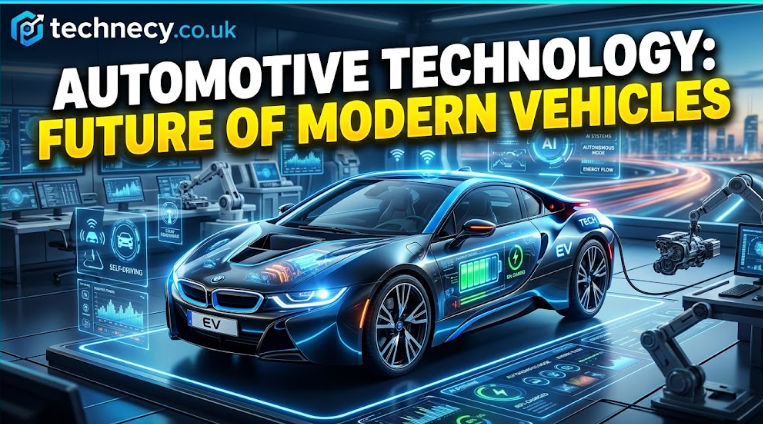
Cars have always reflected the technology of their time, but the modern automobile represents a much bigger shift than previous generations. A vehicle today is not only a transportation machine; it is a combination of mechanical engineering, computing power, sensors, and digital services. From electric motors and smart safety systems to software updates and connected features, technology is changing almost every part of the driving experience. The growth of automotive technology is driven by changing consumer expectations, stricter environmental standards, and the need for safer transportation. Drivers now expect vehicles to provide better efficiency, stronger protection, and features that make everyday journeys easier. At the same time, manufacturers are competing to create cars that are cleaner, smarter, and more adaptable.
Understanding Automotive Technology
Automotive technology covers the systems and processes used to develop, operate, maintain, and improve vehicles. It includes traditional mechanical components such as engines, brakes, and suspension systems, but it also extends into electronics, software, artificial intelligence, and energy management. In older vehicles, most functions were controlled through mechanical systems. Modern vehicles depend on electronic control units that manage different operations, including engine performance, safety features, climate control, and entertainment systems. This change has transformed vehicle development. Engineers now work alongside software specialists and data experts to create vehicles that can collect information, process it, and respond to different situations.
The Transition From Mechanical Cars to Digital Vehicles
The automotive industry has gradually moved from purely mechanical design toward computer-based systems. Electronic fuel injection improved engine efficiency, while digital sensors allowed vehicles to monitor performance more accurately. Later developments introduced features such as navigation systems, electronic stability control, and advanced safety technologies. These improvements created a foundation for today’s highly connected vehicles. The biggest difference between older and newer vehicles is the amount of software involved. A modern car can contain thousands of electronic components working together to manage performance, comfort, and safety.
Electric Vehicles and the Changing Power System
Electric vehicles have become one of the most important developments in modern transportation. Instead of generating power through fuel combustion, these vehicles use batteries to supply electricity to an electric motor. The technology behind electric vehicles includes battery cells, charging systems, power converters, and software that controls energy usage. These systems allow vehicles to operate quietly while producing fewer direct emissions compared with traditional fuel-powered cars. However, electric vehicles also bring new challenges. Battery cost, charging availability, and charging speed remain important concerns for consumers. Manufacturers are investing in improved battery designs to increase driving range and make electric vehicles more convenient. The shift toward electric transportation is not only changing vehicles but also affecting energy infrastructure, manufacturing processes, and repair services.
The Growth of Artificial Intelligence in Cars
Artificial intelligence has become an important part of vehicle development because modern cars generate and process large amounts of information. AI systems help vehicles recognize objects, analyze road conditions, and support drivers during different situations. These capabilities are used in features such as adaptive cruise control, automatic braking, and parking assistance. Beyond driver support, AI is also helping manufacturers improve vehicle maintenance. Predictive systems can analyze vehicle data and identify possible problems before they become serious failures. Although AI offers many possibilities, it requires careful testing. Driving environments are unpredictable, and technology must perform safely in different weather conditions, traffic situations, and road designs.
Advanced Safety Systems and Driver Assistance
Safety has always been a major focus of vehicle development. Modern technology has introduced systems that can assist drivers and reduce the chances of accidents. Advanced driver assistance systems use cameras, radar, and sensors to monitor the surrounding environment. These systems can warn drivers about possible dangers and sometimes take automatic action when needed.
Examples include:
- Collision warning systems
- Lane assistance technology
- Blind-spot monitoring
- Automatic emergency braking
- Adaptive cruise control
These features are designed to support human drivers rather than completely replace them. They provide an additional layer of protection by helping drivers react faster and make better decisions.
Connected Cars and Digital Services
Connectivity has changed how people interact with their vehicles. Modern cars can connect to smartphones, cloud platforms, and online services to provide additional information and control options. Connected vehicle features may include navigation updates, remote vehicle access, maintenance alerts, and digital entertainment services. One major advantage of connected technology is that vehicles can receive software improvements without requiring major hardware changes. Manufacturers can fix problems or introduce new functions through remote updates. At the same time, connectivity creates new responsibilities. Protecting vehicle data and preventing cyber threats are becoming essential parts of vehicle design.
Software-Defined Vehicles and Future Ownership
Software-defined vehicles represent a new approach to automotive design. Instead of treating software as a supporting feature, manufacturers are making it a central part of the vehicle experience. In these vehicles, software can control performance settings, safety functions, battery management, and user preferences. This approach allows cars to improve after purchase. A vehicle may receive updates that enhance existing features or introduce new capabilities. However, this model also changes how people think about ownership. Some consumers appreciate continuous improvements, while others question subscription-based services and digital restrictions on vehicle features.
How Technology Is Changing Automotive Manufacturing
Technology is also transforming the way vehicles are built. Modern factories use automation, robotics, and data systems to improve production quality and efficiency. Manufacturers use advanced tools to monitor assembly processes, detect problems, and manage complex supply chains. Digital manufacturing allows companies to produce vehicles with greater precision. Electric vehicle production has created additional changes because factories must handle battery systems, electronic components, and new assembly methods.
Challenges Facing the Future of Vehicles
The development of advanced vehicles comes with several challenges. New technologies often increase manufacturing costs, which can affect vehicle prices for consumers. Repair and maintenance are also becoming more complex. Technicians need training in electronics, software diagnostics, and electric vehicle systems. There are also concerns about privacy, cybersecurity, and reliability. As vehicles become more connected, protecting digital systems becomes just as important as maintaining mechanical components.
What the Future Holds for Automotive Technology
Future vehicles will likely become more efficient, connected, and intelligent. Electric power systems will continue developing, while artificial intelligence will improve vehicle assistance and personalization. Communication between vehicles and infrastructure may help reduce traffic problems and improve road safety. Cars may become more integrated with digital services, creating a driving experience that changes throughout the vehicle’s lifespan. The future of transportation will not be defined by one single invention. Instead, it will come from the combination of many technologies working together.
Conclusion
Automotive technology is changing the relationship between people and vehicles. Cars are becoming smarter systems that combine engineering, software, and digital intelligence to improve transportation. The move toward electric power, connected services, and intelligent assistance will continue shaping the automotive industry. However, successful progress will depend on balancing innovation with safety, affordability, and public trust. The vehicles of tomorrow will not simply take people from one destination to another. They will adapt, communicate, and provide experiences that were once impossible in traditional automobiles.