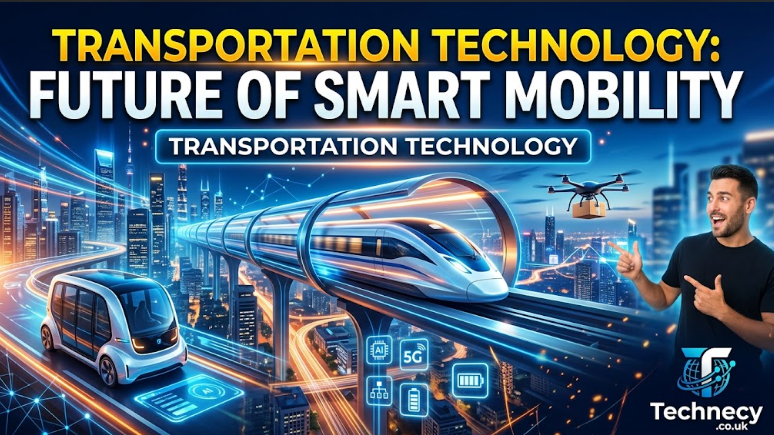
Transportation technology is changing the way people travel, businesses deliver products, and cities manage movement. Modern transportation is no longer limited to vehicles and roads. It now includes digital systems, artificial intelligence, electric power, automation, and connected infrastructure that help create faster and more efficient mobility. From electric cars and smart traffic systems to autonomous vehicles and advanced logistics solutions, new technologies are solving problems that have affected transportation for decades. The focus has shifted from simply moving people from one place to another toward creating transportation networks that are safer, cleaner, and more responsive.
What Is Transportation Technology?
Transportation technology refers to the tools, systems, and innovations used to improve the movement of people and goods. It includes technologies used in automobiles, public transportation, aviation, railways, shipping, and logistics. Older transportation systems mainly depended on mechanical improvements, such as stronger engines or better vehicle designs. Modern systems combine machines with software, sensors, and data analysis. A modern vehicle can collect information about road conditions, communicate with digital platforms, and assist drivers with safety features. Similarly, cities can use transportation data to manage traffic patterns and improve public services.
Why Transportation Technology Is Important
Transportation affects daily life, business operations, and economic growth. Poor transportation systems can create traffic delays, increase fuel consumption, and reduce productivity. Technology helps address these challenges by improving how transportation networks operate. Smart systems can analyze traffic conditions, optimize routes, and provide real-time updates to travelers. For businesses, transportation technology improves supply chains by helping companies track shipments, manage fleets, and reduce delivery delays. For individuals, it creates safer and more convenient travel options.
Electric Vehicles Are Changing Road Transportation
Electric vehicle technology is one of the biggest developments in modern transportation. Instead of using traditional fuel engines, electric vehicles rely on batteries and electric motors to generate movement. EV technology includes advanced battery systems, charging networks, and software that manages energy use. These improvements allow vehicles to travel farther while reducing dependence on gasoline and diesel. Electric vehicles also support cleaner transportation by lowering direct emissions from road travel. However, challenges remain, including charging availability, battery production costs, and the time required for widespread adoption.
How Autonomous Vehicles Work
Autonomous vehicles use advanced technology to assist or replace human driving decisions. These vehicles depend on cameras, sensors, artificial intelligence, and computer systems to understand their surroundings. Self-driving systems can identify road signs, detect obstacles, maintain lanes, and adjust speed based on traffic conditions. Although fully autonomous vehicles are still developing, many modern cars already include partial automation features. Driver assistance systems such as adaptive cruise control and automatic emergency braking are becoming common in newer vehicles. The future of autonomous transportation depends on improving safety, building public trust, and creating clear regulations.
Artificial Intelligence in Transportation
Artificial intelligence is becoming a major part of transportation systems. AI helps machines analyze large amounts of information and make faster decisions. Transportation companies use AI for tasks such as:
- Predicting traffic conditions
- Planning efficient routes
- Monitoring vehicle performance
- Improving delivery operations
AI-powered systems can also identify maintenance problems before they cause vehicle failures. This helps companies reduce downtime and improve reliability. In public transportation, AI can help improve schedules, manage passenger demand, and provide better travel information.
Smart Transportation Systems
Smart transportation systems connect vehicles, infrastructure, and digital services to improve mobility. These systems use sensors, communication networks, and data platforms to monitor transportation activity. Examples include smart traffic lights that adjust timing based on congestion, digital payment systems for public transit, and applications that provide real-time travel information. Smart transportation is becoming especially important in growing cities where traditional infrastructure struggles to handle increasing demand.
Connected Vehicles and Digital Communication
Connected vehicle technology allows vehicles to exchange information with other vehicles and transportation systems. A connected vehicle can receive updates about traffic conditions, road hazards, and nearby vehicles. This communication can help improve safety and reduce accidents. Vehicle communication technology also supports future transportation systems where vehicles and infrastructure work together instead of operating separately.
Transportation Technology in Logistics
Transportation technology has changed how goods are moved around the world. Companies now use digital tools to improve delivery speed and reduce operating costs. Modern logistics technology includes fleet tracking, automated warehouses, route optimization, and real-time shipment monitoring. For example, delivery companies can analyze traffic patterns and choose better routes to save fuel and reduce delays. Businesses can also track shipments throughout the delivery process. These improvements are helping create faster and more reliable supply chains.
Benefits of Transportation Technology
Transportation technology provides several advantages for individuals, businesses, and governments.
Improved Safety
Advanced sensors, automation, and driver assistance systems help reduce human errors and improve road safety.
Better Efficiency
Digital systems help vehicles and transportation networks operate more effectively. Better planning reduces wasted time, fuel use, and unnecessary travel.
Cleaner Transportation
Electric vehicles and alternative energy solutions support efforts to reduce transportation-related emissions.
Greater Convenience
Mobile apps, digital payments, and real-time updates make transportation easier for passengers.
Challenges of Modern Transportation Technology
Despite its benefits, transportation technology faces several challenges. One major challenge is cost. Building charging networks, smart infrastructure, and advanced transportation systems requires significant investment. Security is another concern. Connected vehicles and digital transportation networks can become targets for cyber threats if they are not properly protected. Regulation is also important. Governments need clear safety standards and policies before some technologies can become widely available.
Public acceptance remains another factor. People need confidence that new transportation systems are safe, reliable, and practical.
Future of Transportation Technology
The future of transportation will likely focus on better integration between vehicles, technology, and infrastructure. Electric vehicles will continue improving as battery technology advances. Autonomous systems will become more capable as artificial intelligence develops. Cities will continue adopting smart transportation solutions to manage growing mobility needs. Future transportation may include more automated delivery systems, advanced public transit networks, and new forms of urban mobility.The goal is not only faster transportation but creating systems that improve quality of life while reducing environmental impact.
Conclusion
Transportation technology is creating a major shift in how people and goods move. Electric vehicles, artificial intelligence, automation, and connected systems are changing traditional transportation models. The transition will take time because safety, infrastructure, and regulation must develop alongside new technologies. Successful transportation solutions will need to balance innovation with practical everyday needs. The future of mobility will belong to systems that are efficient, reliable, and designed around the people who use them. As technology continues to improve, transportation will become smarter and more connected than ever before.