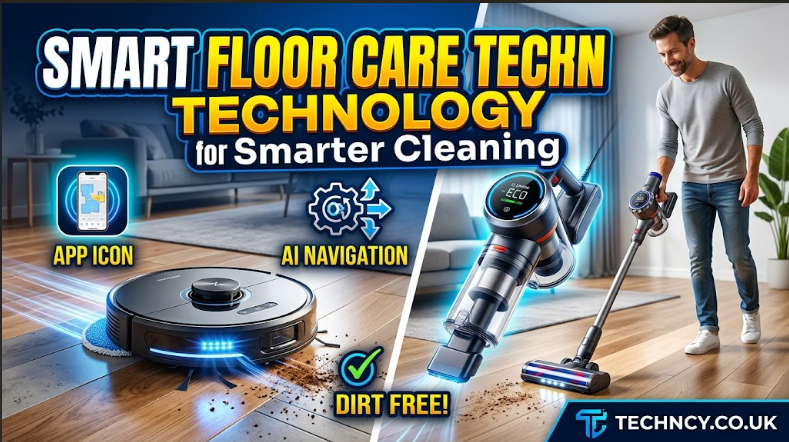
Floor cleaning has always been an essential part of maintaining healthy and comfortable spaces, but the way people approach it is changing. Smart floor care technology is introducing a new generation of cleaning systems that combine automation, sensors, and intelligent software to make floor maintenance easier and more efficient. Unlike traditional cleaning methods that depend heavily on manual effort, smart floor care solutions can analyze spaces, adjust cleaning settings, and complete routine tasks with minimal supervision. These systems are becoming popular in homes, offices, healthcare facilities, and commercial buildings where consistent cleanliness is important.
What Is Smart Floor Care Technology?
Smart floor care technology refers to advanced cleaning equipment that uses digital features such as artificial intelligence, sensors, automation, and connected controls to improve floor maintenance. These systems are designed to understand their surroundings and perform cleaning tasks more intelligently than traditional machines. A smart floor cleaner can identify room layouts, detect obstacles, and follow optimized cleaning patterns. Some systems can also connect with mobile applications, allowing users to schedule cleaning sessions and monitor performance remotely. The purpose of this technology is not only to automate cleaning but also to create a more reliable and efficient approach to maintaining different types of flooring.
How Smart Floor Care Systems Work
Intelligent Navigation and Mapping
Modern smart floor cleaners use advanced navigation systems to move through spaces effectively. Instead of moving randomly, these devices can create maps of rooms and plan routes that cover larger areas without unnecessary repetition. Sensors and cameras help the equipment recognize furniture, walls, and other obstacles. This allows the machine to adjust its movement and continue cleaning safely.
Automated Cleaning Adjustments
Different floors require different cleaning methods. Hardwood, tile, carpet, and other surfaces may need specific settings to avoid damage and achieve better results. Smart systems can adjust features such as suction power, water usage, and cleaning intensity depending on the surface they detect. This helps protect flooring materials while maintaining effective cleaning performance.
Connected Control Features
Many smart floor care devices include app-based controls and smart home connections. Users can start cleaning remotely, create schedules, check progress, and receive alerts when maintenance is needed. For businesses, connected systems can provide better control over cleaning operations and help managers track routine maintenance activities.
Why Smart Floor Care Technology Is Growing
The demand for smarter cleaning solutions is increasing because people want more convenient ways to maintain their spaces. Busy households and businesses often need regular cleaning but have limited time and resources available. Smart floor care technology helps solve this problem by handling repetitive tasks automatically. Instead of spending time on daily floor maintenance, users can allow smart systems to manage routine cleaning while focusing on other responsibilities. Commercial environments are also adopting these solutions because large buildings require frequent cleaning and consistent results.
Benefits of Smart Floor Care Technology
Saves Time and Effort
One of the biggest advantages of smart floor care systems is convenience. Automated cleaning reduces the amount of manual work required for everyday maintenance. Homeowners can maintain cleaner floors without spending hours vacuuming or mopping, while businesses can reduce the workload associated with routine cleaning tasks.
Provides Consistent Results
Human cleaning quality can vary depending on time, effort, and workload. Smart systems follow programmed patterns, helping maintain a more consistent level of cleanliness. This makes them useful in places where regular floor care is necessary, such as offices, retail spaces, and healthcare environments.
Helps Protect Flooring
Using the wrong cleaning method can damage certain flooring materials. Smart technology helps reduce this risk by adjusting cleaning settings according to surface conditions. Careful control of water, pressure, and cleaning movements can help extend the life of floors.
Supports Better Resource Use
Smart floor care systems can help reduce unnecessary use of water, energy, and cleaning supplies. Automated adjustments allow machines to use only what is needed for each cleaning task.
Where Smart Floor Care Technology Is Used
Residential Spaces
Smart cleaning devices are becoming common in modern homes. They help people manage everyday dust, dirt, and debris while fitting into busy lifestyles. Families with pets, children, or larger living spaces often benefit from automated floor maintenance because regular cleaning becomes easier to manage.
Offices and Commercial Buildings
Businesses require clean environments to create comfortable spaces for employees and visitors. Smart floor care systems help maintain professional standards while reducing interruptions during working hours.
Healthcare and Public Facilities
Hospitals and public buildings require strict cleanliness standards. Automated cleaning technology can support regular maintenance and help cleaning teams manage large areas more efficiently.
Challenges of Smart Floor Care Technology
Although smart floor care systems offer many advantages, they are not a complete replacement for traditional cleaning methods. Deep cleaning, stain removal, and specialized floor treatments still require human attention and expertise. Cost can also be a concern. Advanced systems may require a larger investment compared with traditional cleaning equipment. Users should consider their specific needs before choosing a smart cleaning solution. Another challenge is maintenance. Smart devices rely on software, sensors, and mechanical parts that require regular care to continue working properly.
The Future of Smart Floor Care Technology
The future of floor cleaning will likely focus on improving automation, accuracy, and adaptability. As technology develops, smart systems may become better at identifying different cleaning needs and working with other smart building technologies. Future improvements may include stronger artificial intelligence, better surface recognition, and more efficient energy management. These developments could make smart floor care systems more practical for a wider range of users.
Conclusion
Smart floor care technology is changing how people think about cleaning and maintenance. By combining automation, intelligent controls, and advanced sensors, these systems make routine floor care more convenient and consistent. While smart solutions cannot replace every aspect of traditional cleaning, they provide valuable support for homes and businesses that need regular maintenance. As technology continues to improve, smart floor care systems will become more accessible and capable, helping create cleaner spaces with less effort.