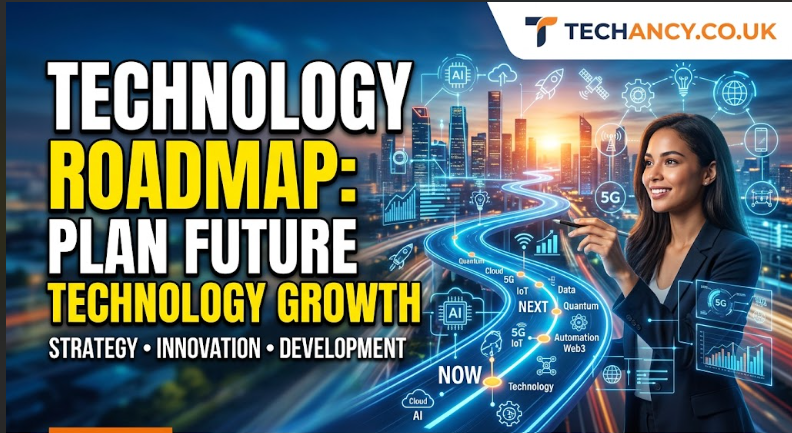
Technology decisions can shape the success of a business for years. However, choosing new tools, platforms, or systems without a clear direction can create confusion, unnecessary costs, and operational problems. A technology roadmap helps organizations create a structured plan for improving their technology environment while keeping every investment connected to business goals. A technology roadmap explains what technology a company uses today, what improvements it needs in the future, and the steps required to reach those objectives. It gives teams a clear view of upcoming priorities, expected changes, and the resources needed to complete important projects.
What Is a Technology Roadmap?
A technology roadmap is a strategic document that outlines the future direction of an organization’s technology. It connects current systems with planned upgrades, new solutions, and long-term technology goals. Instead of focusing only on individual tools, a roadmap looks at the bigger picture. It helps businesses decide which technologies are worth adopting, when changes should happen, and how those changes support growth. For example, a company may want to improve customer service. The roadmap might include upgrading its customer management system, improving data storage, adding automation, and training employees to use new solutions effectively.
Why Businesses Need a Technology Roadmap
Technology changes quickly, and businesses must regularly update their systems to remain efficient. Without proper planning, organizations may invest in solutions that do not solve real problems or fail to work well with existing systems. A roadmap provides direction by helping decision-makers understand priorities. It allows companies to focus their time and budget on projects that create meaningful improvements rather than following every new technology trend. A well-planned roadmap also improves communication. Business leaders, IT teams, and employees can understand what changes are coming and why those changes matter.
How a Technology Roadmap Works
A technology roadmap usually begins with an assessment of the current technology environment. Organizations review their existing software, infrastructure, security practices, and workflows to identify areas that need improvement. After understanding the current situation, teams define future goals. These goals may include improving performance, reducing costs, increasing security, or creating better experiences for customers. The next step is creating a plan that connects goals with specific technology projects. Each project receives a timeline, priority level, and required resources. Because technology continues to change, roadmaps are not permanent documents. Businesses often review and adjust them as new challenges and opportunities appear.
Important Elements of a Technology Roadmap
Current Technology Overview
Before planning future improvements, businesses need a clear understanding of their current systems. This includes identifying software platforms, hardware, applications, security measures, and possible limitations. A detailed overview helps companies recognize outdated systems, unnecessary expenses, and areas where improvements can have the greatest impact.
Business Objectives
Technology should support business needs rather than exist separately from them. A strong roadmap begins with clear objectives. A company focused on improving efficiency may prioritize automation tools. A business expanding into new markets may need scalable systems and better data management. The connection between technology and business goals ensures that investments create practical value.
Future Technology Plans
This section explains the changes an organization wants to make over time. It may include system upgrades, new software adoption, infrastructure improvements, or security enhancements. The goal is not to include every available technology but to select solutions that match the company’s actual requirements.
Timeline and Priorities
Not every project can be completed at the same time. A roadmap helps organizations decide which improvements should happen first. Short-term projects often address urgent issues, while longer-term plans focus on larger changes that require more preparation. A realistic timeline helps teams manage expectations and avoid unnecessary pressure.
Different Types of Technology Roadmaps
IT Infrastructure Roadmap
An IT infrastructure roadmap focuses on the foundation that supports business operations. It may include network improvements, cloud systems, storage solutions, and cybersecurity upgrades. This type of roadmap helps IT teams maintain reliable and secure technology environments.
Software Development Roadmap
A software development roadmap focuses on improving applications and digital products. It may include new features, system updates, performance improvements, and technical changes. Development teams use these plans to organize future work and support user needs.
Digital Transformation Roadmap
A digital transformation roadmap focuses on using technology to improve business processes. It may involve automation, artificial intelligence, cloud adoption, and data-driven decision-making. This approach helps organizations modernize their operations while preparing for future challenges.
Steps to Create a Technology Roadmap
Identify Business Needs
The first step is understanding what the organization wants to achieve. Businesses should identify problems, opportunities, and areas where technology can provide support. Clear goals create a stronger foundation for future planning.
Review Existing Systems
Companies should evaluate their current technology before making changes. This review helps identify weaknesses, unnecessary tools, and opportunities for improvement. Understanding the current environment prevents businesses from making decisions based only on trends.
Select Technology Priorities
A roadmap should focus on projects that provide the most value. Organizations should consider factors such as cost, business impact, available resources, and implementation difficulty. Prioritizing projects helps teams use their resources effectively.
Monitor Progress and Make Adjustments
Technology plans should be reviewed regularly. New business requirements, security concerns, and market changes may require updates. A flexible roadmap allows organizations to respond without losing their overall direction.
Technology Roadmap vs Technology Strategy
A technology strategy explains the overall approach an organization takes toward technology. It defines broad goals, principles, and priorities. A technology roadmap focuses on execution. It shows the specific projects, timelines, and actions required to achieve those goals. Both work together. The strategy defines the direction, while the roadmap explains how to move forward.
The Future of Technology Roadmaps
Technology planning will continue to become more important as businesses adopt advanced solutions. Areas such as artificial intelligence, automation, cloud computing, and data analytics are changing how organizations operate. Future roadmaps will need to balance innovation with practical considerations such as security, cost, and employee readiness. Companies that plan carefully will be better prepared to adopt new technologies without disrupting their operations.
Conclusion
A technology roadmap gives businesses a clear way to manage technology changes and future investments. It helps organizations move from reactive decisions toward planned improvements. The most effective roadmaps focus on solving real business problems instead of adopting technology simply because it is new. By connecting technology projects with clear objectives, companies can make smarter decisions and prepare for future growth. A thoughtful roadmap does not predict every change ahead, but it provides the structure needed to adapt when those changes arrive.